
Construction Timeline Benefits of Modular Parking Systems
Schedule is one of the most valuable resources in development. Modular parking systems can help reduce uncertainty by bringing more predictability to the parking portion of the project.
Parking Can Slow Down the Entire Project
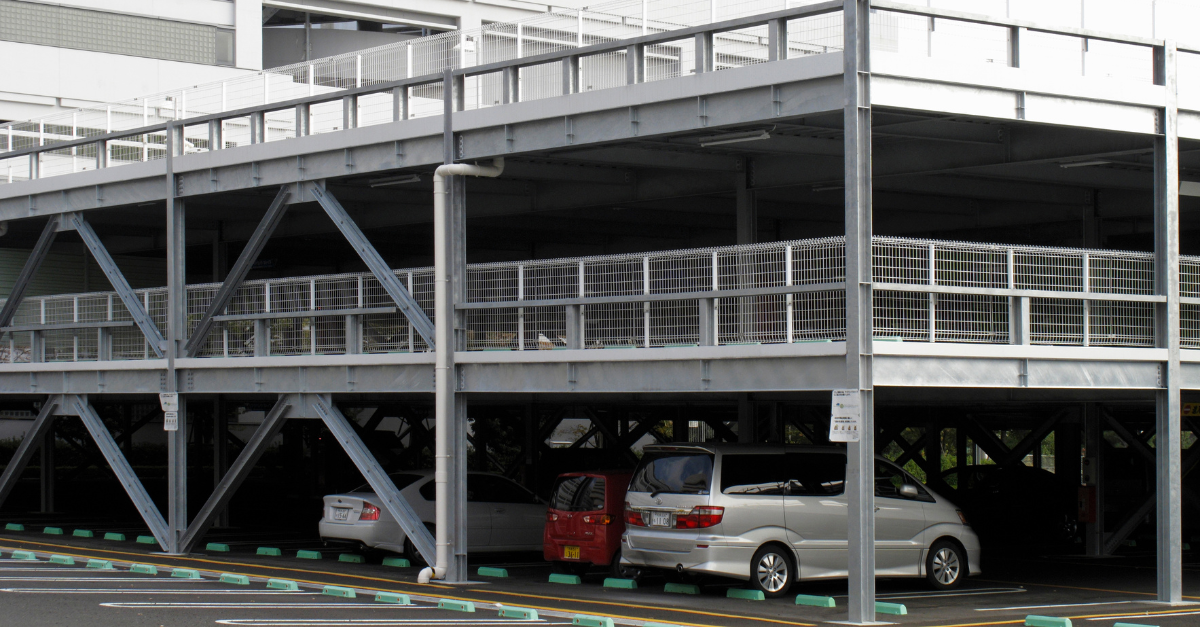
Parking is often one of the largest and most coordination-heavy parts of a development. Conventional garages can require extensive excavation, concrete work, ramp construction, striping, lighting, ventilation, drainage, and fire protection before the space is ready for use. When the parking structure is complex, it can influence the schedule for the entire building.
Delays in parking construction can affect access, staging, inspections, turnover, and revenue timing. For developers, the issue is not only how long the garage takes to build. The issue is how much the garage controls other project milestones.
Why Modular Thinking Matters
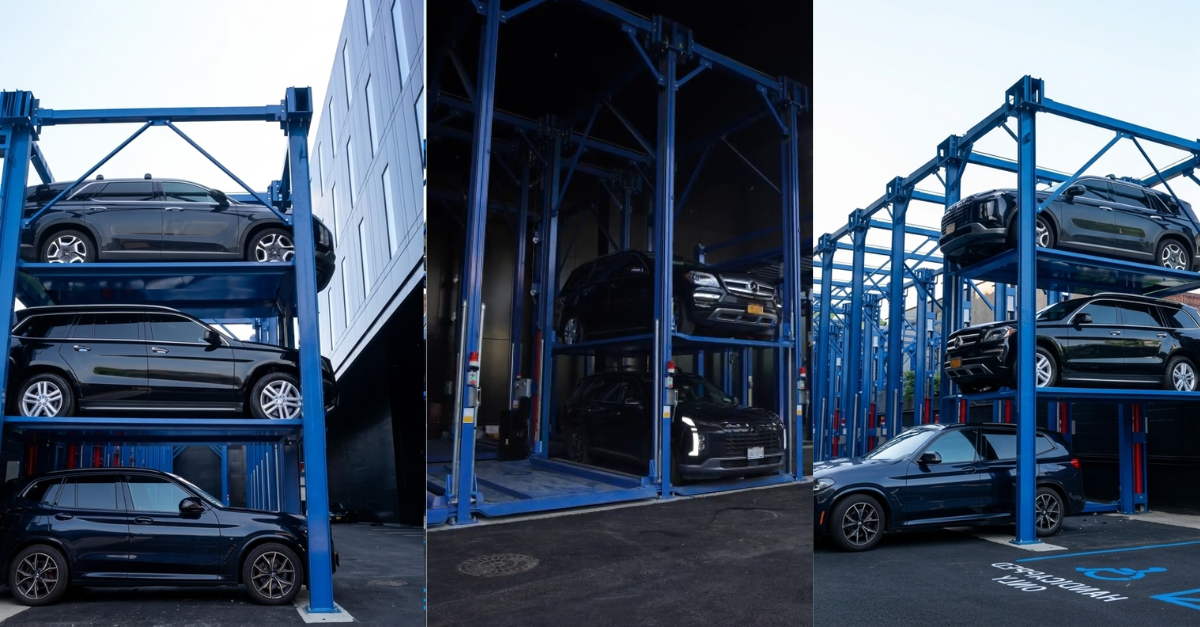
Modular parking systems introduce a more defined approach to parking delivery. Instead of relying only on custom-built circulation and large concrete layouts, a system-based parking plan can use pre-engineered components, repeatable layouts, and clearer installation sequences. This can help the project team plan earlier and coordinate more efficiently.
Modularity does not mean every project is identical. It means the parking solution can be organized around known system logic. That can reduce ambiguity during design, procurement, fabrication, installation, and commissioning.
Schedule Advantages for Developers
A modular parking strategy can support schedule confidence in several ways. First, it can reduce the amount of custom layout development required after concept design. Second, it can allow system coordination to begin earlier with structural, architectural, and MEP teams. Third, it can help define equipment zones and installation requirements before construction reaches a critical stage.
In the right project, modularity may also reduce the amount of deep excavation or cast-in-place work required for parking. Less site-built complexity can reduce exposure to weather, labor constraints, and field coordination issues. The result is not only a faster parking solution, but a more predictable path to completion.
Reducing Rework
One of the biggest schedule risks in parking design is rework. When parking is not solved early, the team may revise ramp slopes, column locations, turning movements, ceiling clearances, and MEP layouts late in the process. Each revision affects multiple disciplines and can slow documentation.
Modular parking systems help reduce rework by establishing clearer parameters earlier. When the parking system is treated as a coordinated design element, the building can develop around a more stable parking concept.
AutoMotion Perspective
AutoMotion helps developers evaluate modular and system-based parking strategies before the garage becomes a schedule risk. By coordinating parking feasibility, layout logic, access planning, and integration requirements early, AutoMotion supports a more efficient development process.
The advantage is not only speed. It is control. A parking system that is easier to plan, coordinate, and install gives developers a stronger foundation for meeting project milestones.
Key Takeaway
Modular parking systems can support faster project delivery by reducing design uncertainty, limiting rework, and creating a more predictable construction path. For developers, that predictability can be just as valuable as added parking capacity.
Editorial note: This article is intended for marketing and educational use. Project-specific structural, MEP, code, and construction requirements should always be verified by the project design team and relevant authorities.