
Construction Timeline Benefits of Modular Parking Systems
Modular parking systems can help developers create a more predictable construction path by reducing design uncertainty, limiting rework, and simplifying coordination. By using pre-engineered components and defined installation sequences, modular parking can support schedule confidence while helping projects stay aligned with key development milestones.
Faster Project Delivery Using Pre-Engineered Parking Solutions
Pre-engineered parking solutions help developers streamline project delivery by reducing design uncertainty, improving coordination across disciplines, and minimizing late-stage revisions. By using established system logic and repeatable planning criteria, teams can move from concept to construction more efficiently while reducing schedule risks, carrying costs, and project complexity.

Reducing Structural Load with Advanced Parking Systems
Parking impacts more than just space planning—it influences a building’s structural design, costs, and efficiency. Advanced parking systems help reduce structural complexity by minimizing ramps, circulation areas, and unnecessary load-bearing requirements. By creating a more predictable and organized parking layout, developers can improve coordination, optimize valuable floor area, and support more cost-effective project outcomes. Learn how smarter parking solutions can transform parking from a structural burden into a strategic asset.
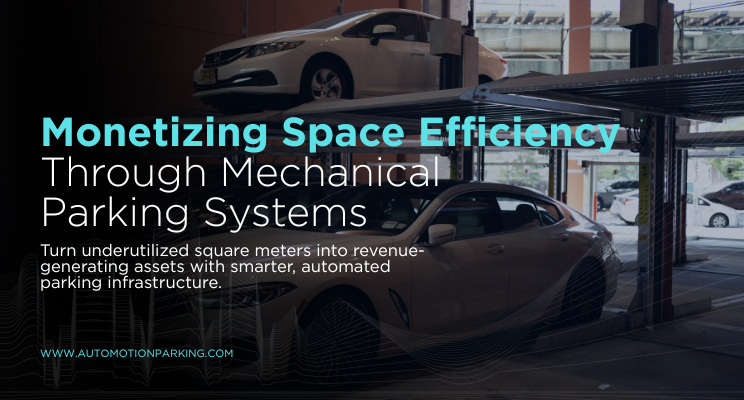
Monetizing Space Efficiency Through Mechanical Parking Systems
In today’s competitive real estate market, every square meter matters. Traditional parking structures consume valuable space while delivering limited returns. Mechanical parking systems offer a smarter alternative by maximizing land utilization, increasing parking capacity, and freeing up premium areas for commercial or residential use. Discover how AutoMotion transforms parking from a necessary expense into a strategic asset that enhances property value, reduces operational costs, and creates new revenue opportunities for developers.
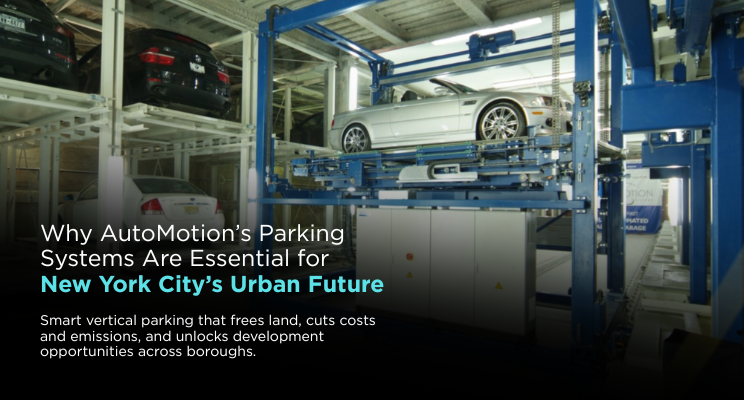
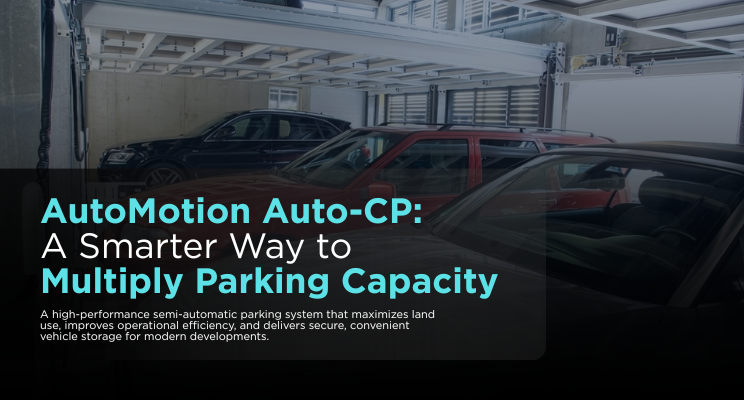
AutoMotion Auto-CP: A Smarter Way to Multiply Parking Capacity
The AutoMotion Auto-CP is a top-tier semi-automatic parking system capable of tripling parking capacity on a single level through intelligent electromechanical stacking and automated platform movement—delivering faster retrieval, safer vehicle storage, and smarter land utilization.

Counting the Returns: How Semi-Automated Parking Improves Developer ROI
Semi-automated parking systems are transforming parking from a cost center into a strategic asset for real estate developers. By reducing construction costs, optimizing land use, and enhancing tenant appeal, SAPS can significantly improve project returns.
With potential construction savings of up to 25% and rental premiums reaching 7%, developers are discovering that smarter parking design directly translates to stronger ROI and faster project delivery.
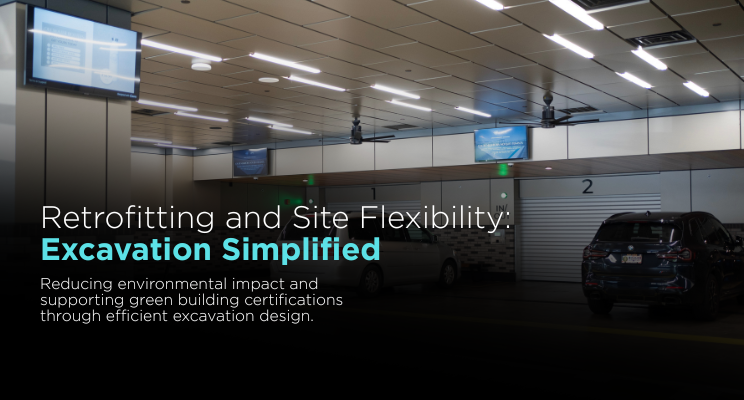
Retrofitting and Site Flexibility: Excavation Simplified
Developers looking to expand parking capacity often face a difficult trade-off: expensive excavation, structural disruption, or abandoning the upgrade altogether. AutoMotion Parking Systems offer a smarter alternative. By integrating semi-automated, modular parking solutions that require minimal excavation, developers can increase parking capacity, modernize existing properties, and enhance asset value — all with significantly lower construction risk and downtime.

Convenience and Confidence: Enhancing the User Experience with Semi-Automated Parking
The article highlights how semi-automated parking systems improve the parking experience by making it safer, faster, and more seamless for users. Instead of navigating tight ramps and congested aisles, drivers simply leave their vehicle in an entry bay and the system automatically moves it to a secure space, reducing stress and potential damage. These systems boost overall tenant satisfaction and urban efficiency, cut down vehicle idle time and emissions, and add tangible convenience in busy urban environments — shaping a smoother first and last impression for building visitors.
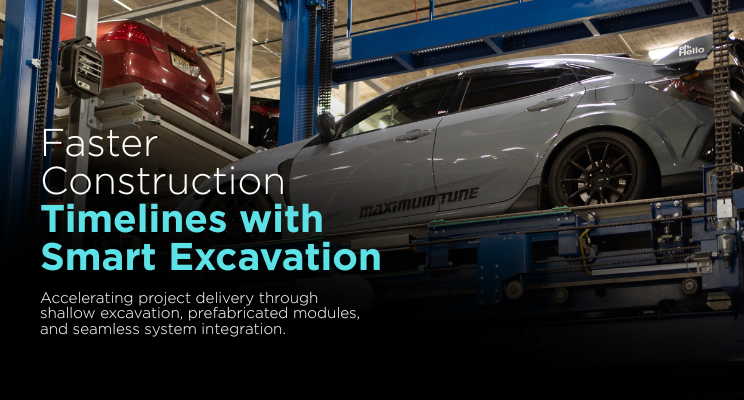
Faster Construction Timelines with Smart Excavation
In real estate development, time is as valuable as capital. Excavation — especially for underground parking — is often one of the most time-consuming phases of construction. By adopting a streamlined approach that minimizes excavation depth and uses modular, prefabricated systems, developers can significantly shorten schedules without sacrificing quality or safety. Shallow excavation reduces the need for extensive dewatering, reinforcement, and large machinery, while prefabricated modules are manufactured off-site and delivered ready for installation, enabling work phases to overlap and finish faster. Time savings translate directly into lower financing costs, earlier project turnover, and faster revenue realization.

Parking Stackers for Car Dealerships: Display More Units in Less Space
In today’s competitive dealership environment, visibility drives sales — but limited lot space often restricts how many vehicles can be displayed. AutoMotion Parking’s Mechanical Parking Stackers provide a smart vertical solution, allowing dealerships to showcase multiple vehicles within the footprint of a single parking space. By increasing display capacity without expanding the property, dealerships can enhance visual impact, highlight premium models, and maximize profitability — all while maintaining a clean, organized lot.
More cars. More visibility. More sales.
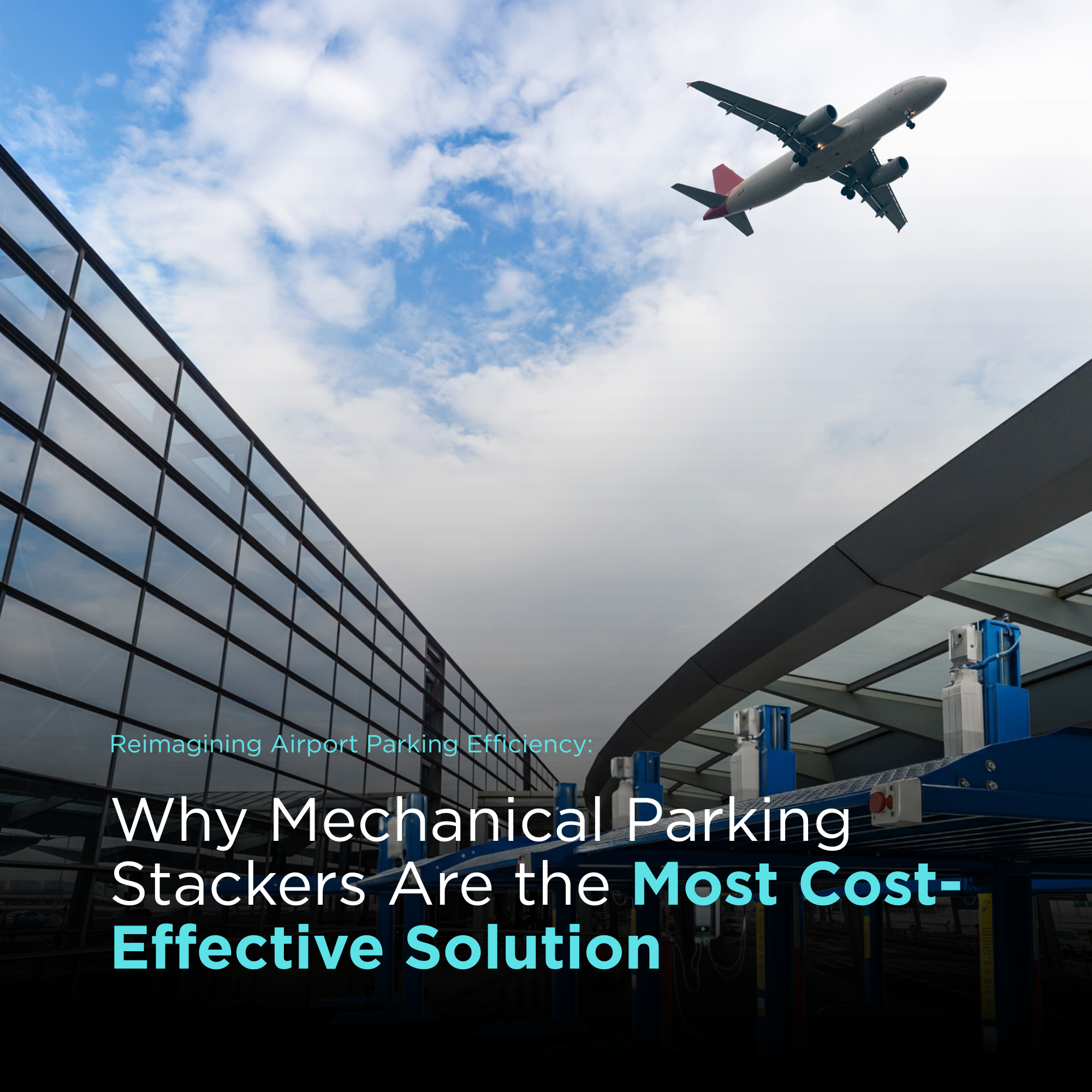
Reimagining Airport Parking Efficiency: Why Mechanical Parking Stackers Are the Most Cost-Effective Solution
Airports today face mounting pressure to increase parking capacity without expanding land use or exceeding budget constraints. In response, AutoMotion Parking Systems is championing a smarter approach with mechanical parking stackers—cost-effective solutions designed to maximize space efficiency, simplify construction, and enhance the overall passenger experience. By integrating these innovative parking systems, airports can do more with less, offering travelers a seamless and convenient parking journey while reducing infrastructure complexity.
Mechanical parking stackers not only help airports expand capacity in tight footprints but also support sustainable infrastructure design and long-term operational value. These solutions reflect AutoMotion’s commitment to advancing smart airport parking strategies that balance performance, cost, and passenger convenience—making them an ideal fit for modern aviation projects aiming to optimize land use and improve service quality.
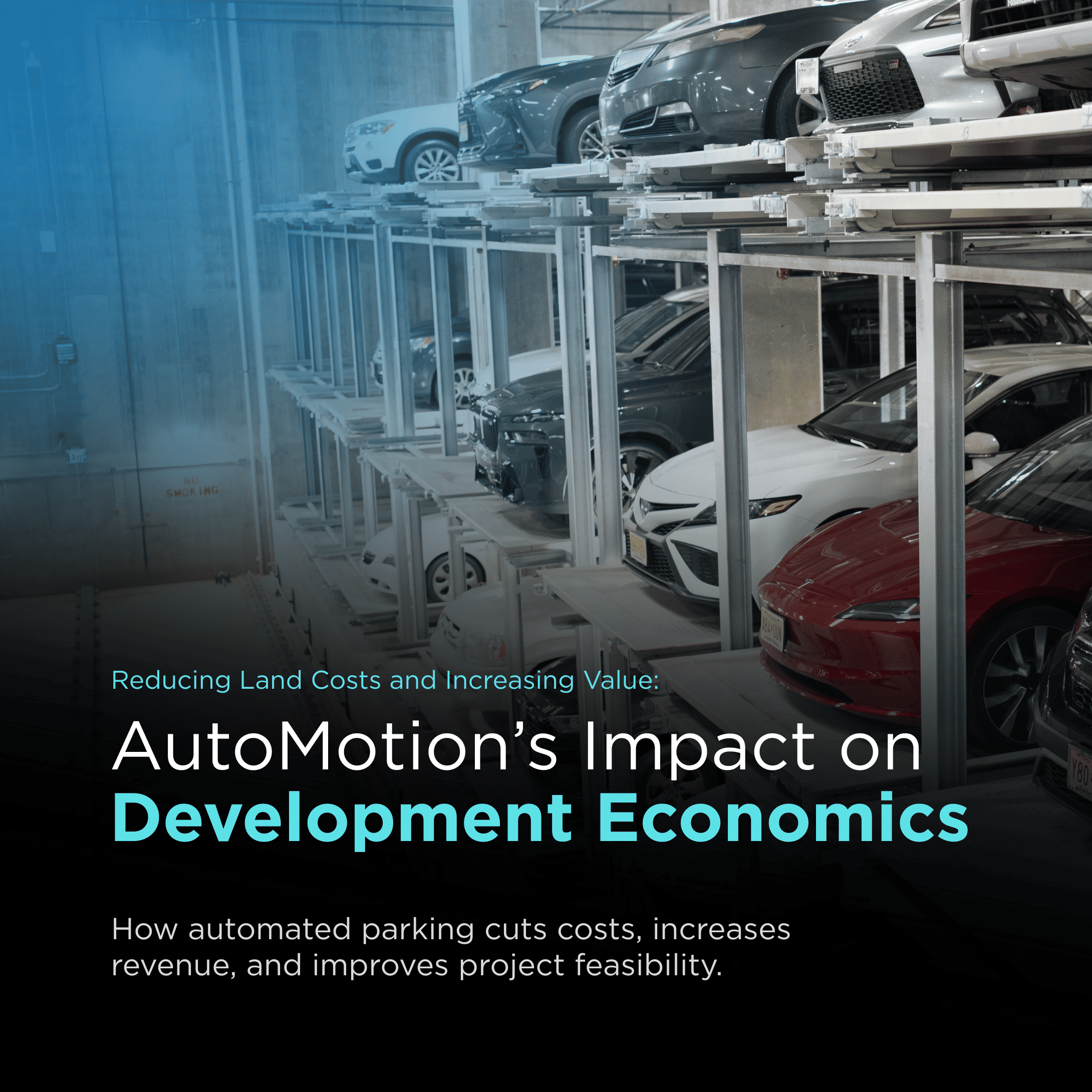
Reducing Land Costs and Increasing Value: AutoMotion’s Impact on Development Economics
Rising land costs continue to pressure development budgets, making efficient use of space more critical than ever. Traditional parking structures consume valuable square footage that could otherwise generate revenue, often pushing projects beyond financial feasibility in dense urban markets.
AutoMotion’s automated parking systems address this challenge by significantly reducing parking footprints and construction complexity. By freeing up space for higher-value uses and lowering excavation, structural, and long-term operating costs, developers can increase project viability, enhance property value, and deliver smarter, more profitable developments.
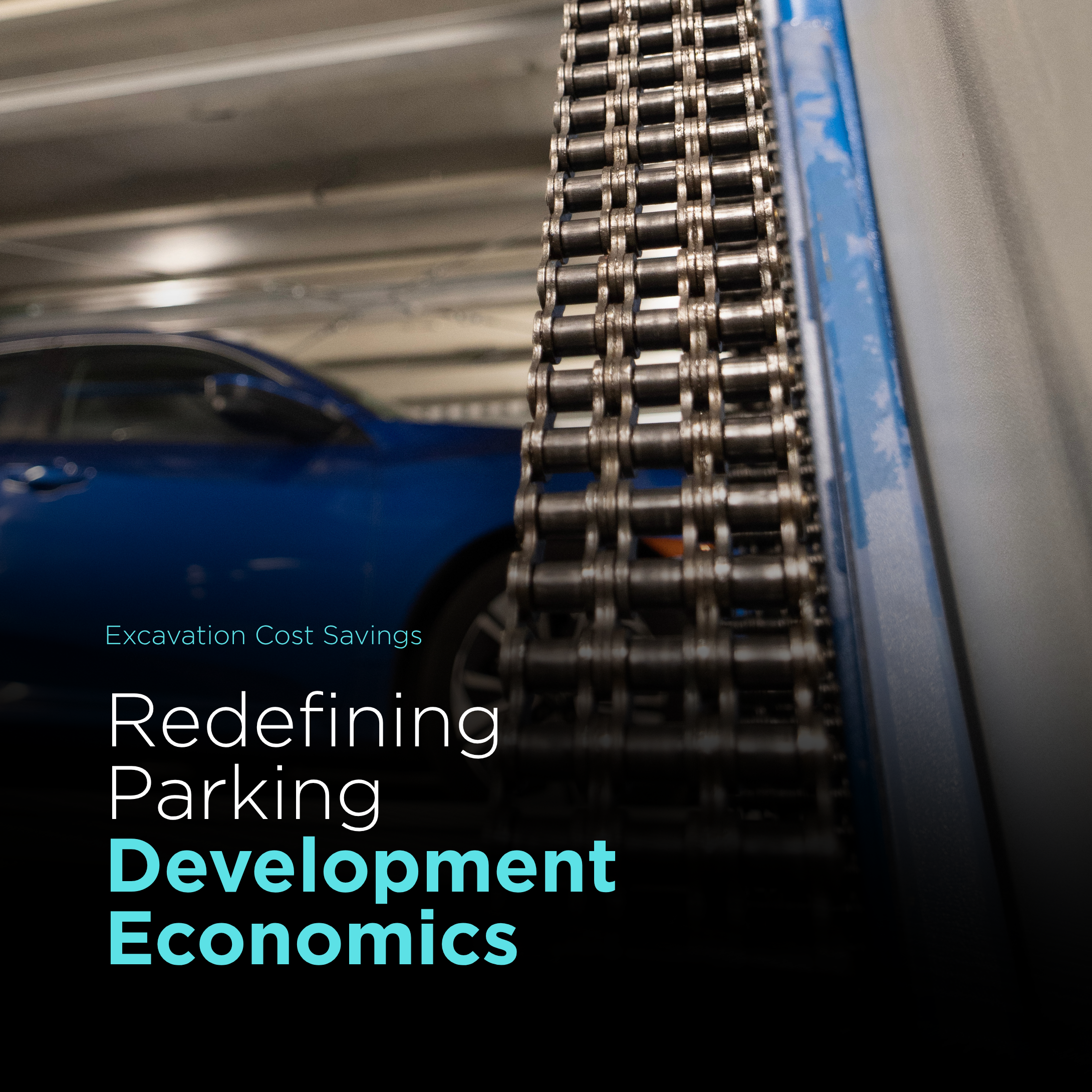
Excavation Cost Savings: Redefining Parking Development Economics
AutoMotion Parking Systems is transforming the economics of parking construction by dramatically reducing excavation costs—one of the biggest budget drivers in development. Traditional underground parking designs require deep and extensive excavation, which often accounts for 25–40% of total construction costs and increases project risk and timelines. AutoMotion’s semi-automated and automated parking systems are engineered for shallower excavation profiles and compact layouts, minimizing soil removal, concrete use, and associated logistics. By integrating precision engineering with vertical and horizontal vehicle movement technologies, these solutions help developers save on excavation and structural costs, shorten construction schedules, and improve return on investment—all while maintaining safety, accessibility, and capacity standards.