
Monetizing Space Efficiency Through Mechanical Parking Systems
Turn underutilized square meters into revenue-generating assets with smarter, automated parking infrastructure.
In real estate, every square meter has a price—but not every square meter is performing.
Developers spend millions acquiring prime land, only to allocate a significant portion of it to parking that generates little to no return. Traditional parking structures quietly consume space, capital, and long-term operational budgets.
What if your parking area could do more than just “serve a requirement”? What if it could actively contribute to your project’s profitability?
The Problem: High-Value Space, Low-Value Returns
Parking is often treated as a necessity rather than an opportunity. In most developments:
Large footprints are sacrificed for ramps, drive aisles, and inefficient layouts
Parking structures generate minimal direct revenue
Valuable leasable or sellable space is reduced
Construction and maintenance costs continue to rise
The result? Developers unknowingly limit the full earning potential of their projects.
In high-density urban environments, this inefficiency becomes even more expensive. Land is scarce, yet traditional parking methods fail to maximize its value.
The Insight: Space Efficiency = Revenue Potential
The key shift is simple but powerful:
Space efficiency is no longer just about saving space—it’s about monetizing it.
By rethinking parking as a strategic asset rather than a compliance feature, developers can:
Increase the number of parking slots within the same footprint
Free up prime areas for commercial, residential, or mixed-use purposes
Enhance property value and market positioning
Create new revenue streams from optimized parking operations
This is where mechanical parking systems change the equation.
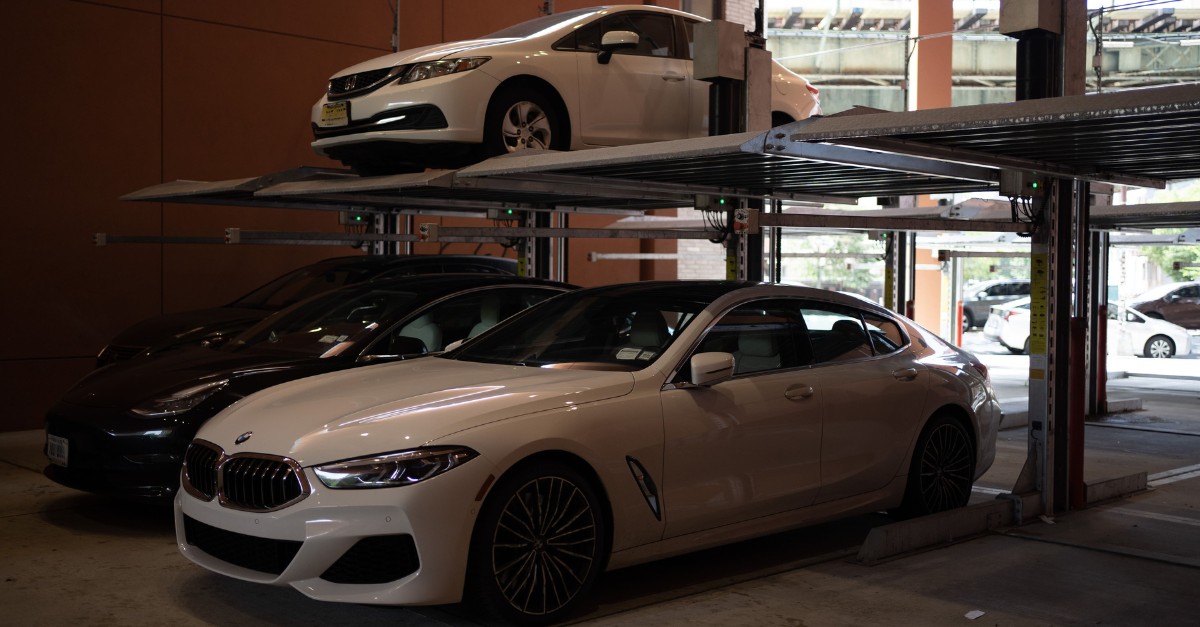
The Solution: Mechanical Parking Systems by AutoMotion
AutoMotion transforms parking from a passive cost center into an active revenue driver. Through intelligent mechanical parking solutions, developers can:
1. Maximize Land Utilization
AutoMotion systems eliminate ramps and reduce circulation space, allowing significantly more vehicles to be accommodated in the same area.
More slots = higher earning potential.
2. Unlock Premium Sellable Space
By compressing parking footprints, developers can reclaim valuable square meters for:
Retail spaces
Residential units
Office expansions
This directly increases project ROI without acquiring additional land.
3. Reduce Long-Term Costs
AutoMotion’s systems are designed for efficiency:
Lower energy consumption
Reduced ventilation requirements
Minimal operational manpower
This translates into better lifecycle cost management.
4. Enhance Property Value & Market Appeal
Modern buyers and tenants value convenience, security, and innovation. AutoMotion delivers:
Faster parking and retrieval
Reduced congestion
Enhanced user experience
Positioning your development as forward-thinking and premium.
5. Enable Scalable Revenue Models
Mechanical parking opens opportunities for:
Paid parking systems
Tiered parking access
Shared mobility integration
Turning parking into a consistent income stream.
Strategic Advantage with AutoMotion
AutoMotion doesn’t just provide parking systems—it provides a smarter way to think about space.
By integrating AutoMotion early in the planning phase, developers can:
Design more efficient building layouts
Optimize vertical and horizontal space usage
Align parking strategy with overall financial goals
This is not just engineering—it’s profit-driven design.
In a Nutshell:
In today’s competitive real estate market, inefficiency is expensive. Traditional parking structures no longer justify the space they consume. Developers who continue treating parking as an afterthought risk leaving significant revenue on the table.
Mechanical parking systems offer a clear advantage: they transform idle space into high-performing assets. With AutoMotion, parking becomes more than infrastructure—it becomes a strategic investment that enhances ROI, increases flexibility, and future-proofs your development.
Resources and Reference Links
Urban Land Institute (ULI) – Parking and Real Estate Development Trends
National Parking Association (NPA) – Parking Demand & Utilization Studies
International Energy Agency (IEA) – Energy Efficiency in Buildings
McKinsey & Company – Urban Mobility and Space Optimization Insights
Deloitte Real Estate Reports – Maximizing Asset Value in Urban Developments